Podcast: Play in new window | Download | Embed
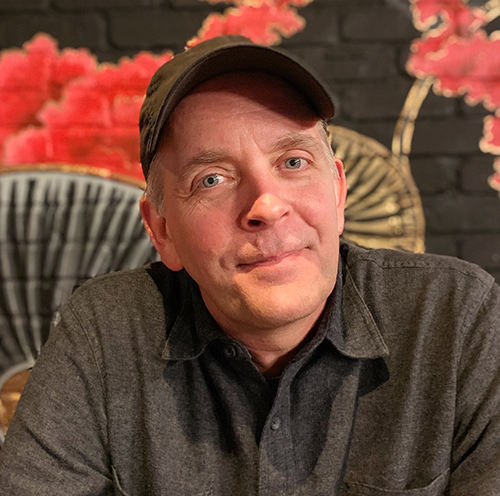
When Greg Combs was studying Theatre in college in the early 1980s, he could not have predicted his ultimate destination at Walt Disney Imagineering. After moving to California, he took a temporary job at Disney as a Show Set Designer and stayed there for more than 30 years. Greg is my guest on this episode of the Tomorrow Society Podcast to talk about his Imagineering career.
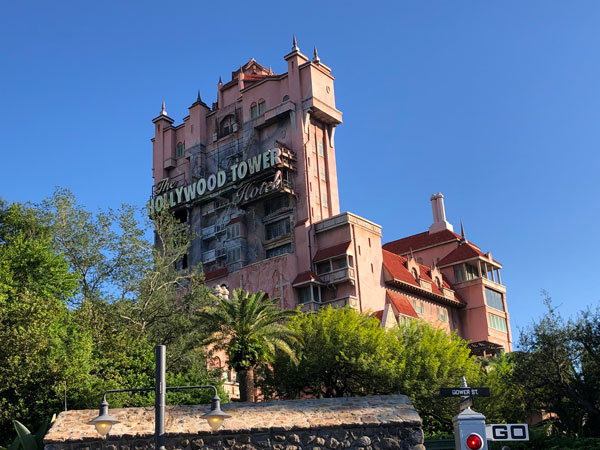
Greg started out working on Disneyland Paris, which was already moving at full steam in the early ’90s. After a few early hiccups, he found his stride and worked as a Show Set Designer on many classic attractions. We talk about Greg’s work on Roger Rabbit’s Car Toon Spin, the Twilight Zone Tower of Terror, and Indiana Jones and the Temple of the Forbidden Eye. We also cover experiences in Japan including work on Journey Into the Center of the Earth at Tokyo DisneySea.
Most recently, was an Executive Creative Producer of the Tokyo Portfolio and worked closely with the Oriental Land Company. We chat about the excellent Enchanted Tale of Beauty and the Beast attraction at Tokyo Disneyland and the upcoming Fantasy Springs addition to DisneySea. Greg believes that guests are going to love new lands based on Tangled, Peter Pan, and Frozen. He also talks candidly about some struggles with moving away from a creative role earlier as a functional leader. I really enjoyed talking with Greg and learning more about his career and awesome projects.
Show Notes: Greg Combs
Listen to Greg Combs on interviews from The Sweep Spot and the DL Weekly Podcast.
Make a one-time contribution to help the channel and buy me a Dole Whip!
Transcript
Greg Combs: We were down in Florida on a family vacation, and I took them on Everest for the first time. I didn’t say anything about where the Yeti was or anything. We just rode the ride and we got off the ride. I said, so what’d you think of the Yeti? They’re like, what are you talking about? I said, well, let’s go ride again. We ride again. And I pointed it out. We rode the attraction again, and when we got to the Yeti, I went there and we got off the ride and I reminded them the heartache of the problems with that figure.
They looked at me and they went, Dad, why do you care? That’s a great ride. That’s a really fun ride. And whether or not that Yeti moves doesn’t at all affect my enjoyment of that attraction. I looked at them and I went, oh, you’re right.
Dan Heaton: That is Imagineer Greg Combs, and you’re listening to The Tomorrow Society Podcast.
(music)
Dan Heaton: Hey there, it’s Dan Heaton, and I am thrilled that you are here for Episode 208 of the Tomorrow Society Podcast. My guest today is Greg Combs, who worked on so many cool attractions during more than 30 years for Walt Disney Imagineering. We talk about his background in theater and how it led him to become a show set designer and work on attractions like the Twilight Zone Tower of Terror, Roger Rabbit’s Cartoon Spin, Indiana Jones and the Temple of the Forbidden Eye, Journey to the Center of the Earth, so many more. And then he ultimately went on to become a leader.
He worked a lot in Tokyo, including being involved with some of the recent updates, Beauty and the Beast, and Fantasy Springs, which is coming very soon to that resort. It was really fun to learn some background too about those parks and even Duffy, more Duffy content, if you can believe it. Very cool to learn Greg’s story and a lot of fun info about how these attractions came together. So let’s get right to it. Here is Greg Combs.
(music)
Greg Combs: Oh, Dan, thank you for having me. I’m actually honored and overjoyed as you and I were talking before we started this. I just got to listen to your interview with Mk Haley and anybody that considers me in that rarefied air I’m honored to be part of, because Mk is one of my favorite people in the world. So thank you for asking me.
Dan Heaton: Oh, for sure. Yeah. I mean, I would consider you there in the same era, Greg. So given what you’ve done, but I’d love to go back. I know you were growing up, you studied theater. How did you get interested in even working in the entertainment realm even well before you started at Disney?
Greg Combs (00:03:16): I’m of a generation, my story may mean something to people my age, but if you’re in your twenties, it’s not going to resonate, but I’ll tell it anyway. So I’m from Omaha, Nebraska and Nebraskans are very proud of people who come from here. And one of the persons who grew up in Nebraska was a man by the name of Johnny Carson; Johnny Carson, before he became the host of the Tonight Show. This is obviously way before Jay Leno and the others who have followed that he was here and he did magic.
As a young magician in town, I think he was born in Norfolk, but he performed in Omaha and Lincoln, the two major cities in the state, there was a guy, a cameraman for the local CBS affiliate. His name was Pete Petrashak. They would do magic shows together. Well, Pete also ran the local magic shop out of his house.
I happened to meet Pete because I saw Zach one day at my church and I went up to him. I was a starstruck young middle school student, and I went, oh my goodness, Mr. Pet, I was so impressed with your show. How can I become like you? And he goes, well, you join the Magic Society and you can come and we’ll teach tricks and learn how to be a magician, and I’ve got a shop at my house and you can come buy tricks.
So I went over to his house and up on the wall where all these pictures of Johnny Carson and the two of them doing magic acts together. And it turned out that he had kept in touch with Johnny over the years. And it was then I went, that’s it. I’m going to be the next Johnny Carson. I didn’t even know what that meant.
I was like in seventh grade, but I was like, I’m going to be the next Johnny Carson. And so I got a magic act. I had an illusion show with a couple of assistants. I performed at things like birthday parties and Shriner conventions and stuff like that. Then I was taking acting lessons at this local theater at the Omaha Community Playhouse, and the teacher was going to be in the first musical of the year. She was Sally Bowles in Cabaret.
And she said, Greg, you should come audition for the show. You really ought to try out. And I’m like, oh my goodness, really? You think I could be in a show? Okay, great. I’ll come audition. And so I come to try out for Cabaret. Now, nobody told me Cabaret’s a musical, and you needed to sing in order to be in the show. I how up for the audition and the music director says, so what song have you prepared young man?
And I was like, song? I don’t sing. And he said, well, come on. Everybody sings here. Happy birthday, I’ll play “Happy Birthday”, sing “Happy Birthday”. So he started pounding out “Happy Birthday” on the piano, and I tried to make my way through it, and he stopped me and he said, you’re right. You don’t sing. Let me introduce you to the technical director over here.
He needs a follow spot operator. Why don’t you go talk to him? And so the next thing I know, having no idea what a follow spot was, I was running follow spot for cabaret. And in that first show during Tech week, as I was learning how to point a light at an actor on stage and not cut their head off with it, I went, oh my goodness, this is it. This is what I want to do for the rest of my life.
I want to be involved in this art form of storytelling to audiences and creating these emotions that I myself was feeling for the first time and witnessing every night as I got a front row seat to this amazing show, but also was able from my bird’s eye view, looking down at the audience, I could see their reactions as well too, and realize, wow, this is what a wonderful way to make a living. This is something I got to do. And so that put me on my path to learn the technical and design side of theater. So all through high school and then into college, I went to a theater conservatory down in St. Louis called Webster Conservatory of Theater Arts. Met my wife there. She was an actress.
I got kicked out of college my first time; I was a hothead; I thought I’d do everything, but that’s a very long story. I did eventually complete my degree; I was on a 10-year plan. And I had to go back later. I never at any point in my life had any doubt I was going to be doing some form of storytelling to people, but I thought it would always be live theater. I had no idea what theme parks were. And I had no idea that Imagineering as a job existed in those days. I just knew that I wanted to tell stories.
Dan Heaton: So that raises a good question because you thought you were going to do live theater and somehow ultimately ended up with Disney and didn’t have the background, which is, I mean, it’s fairly common, but I’m curious, how did you go from thinking you were going to be in a life of working in theater to ultimately working in a different type of entertainment and theater with Walt Disney Imagineering?
Greg Combs: Blind luck, as I mentioned, I met my wife in school and we got married. We moved back to Omaha where I’m from for the first couple of years of our marriage, we were big fish in a little pond. We were having a great time. I was working, she was working, but my wife’s not from Omaha, she’s from Pittsburgh. She’s like, I want to be a serious actress.
We need to either move to New York or LA so pick one. And I’m like, I don’t want to be in a big city. Big cities scare me. I’m a midwestern boy. I like quiet and space and green, all the things you don’t find there, right? But because I love my wife and I like being married, I eventually had to choose. I ended up getting hired through a connection to work at a children’s theater in California that was run by a guy who at the time was a famous TV actor.
His name was Tim Busfield. And Tim, I think his children’s theater to this day is still in existence. He and his brother Buck have this children’s theater based in Sacramento, and they go up and down the coast. Well, they hired me sight unseen out the recommendation of an acquaintance, and I lasted two weeks on the job and got fired. I had no idea what I was doing. I was miserable, but I was in California and here I am, I’m finally in California.
My wife’s waiting for me in Omaha to tell her where to send all the stuff that she’s packed up and where are we going to live? And I’m like, I don’t know. So to make a long story short, we ended up for a couple of years in Santa Maria doing live theater. There’s a theater company there called PCPA Theater Fest. They do a summer rep.
After a couple of years of doing that, we moved down to a LA and in Los Angeles, a buddy of mine, he and I kind of went down there at about the same time we both had been at PCPA, we both moved to LA. He went into movies and I helped him out. He was working on the second Batman movie and needed somebody to build props for Catwoman’s apartment that she had, a dollhouse that she smashed, and they needed a dozen of those so they could do the take over and over again.
So I was like, oh, yeah, I can pick up that work and make dollhouses for a while. So I was doing stuff like that, but at the same time, I’m like, damn, I got to find a full-time job. I want to do theater. But this was 1990 and there just wasn’t a lot of openings at that time in live theater in LA.
And I was in those days, this is keep in mind, pre-Internet, pre LinkedIn and Indeed and any of that stuff. So what you did is you got the newspaper and you got the trays and you went through the one ads. And as I was going through the LA Times, there was an ad in there that said, set designers wanted. Didn’t say for who, just said set designers. I’m like, oh, I’m a set designer. I can do that. I’m going to call this number. So I call the number and it’s a temp agency, and they were vetting resumes. So I go in with my portfolio and my resume and I show my stuff and they went, yeah, yeah, yeah, you’ll do. Here’s the address. Here’s the guy you talked to. And then I see that it’s Disney. And I went, well wait a minute.
In my mind I thought Disney means animation. I don’t do animation. I don’t know anything about that; I actually tried to turn the guy down and say, no, no, you got the wrong person. I’m sorry. I’ll leave. And he goes, no, no, no, no, you’re fine. Just go talk to this guy and you’ll be fine. So I go and I show up and this guy by the name of Mitch Gill interviews me, and Mitch turns out was a theater guy from USC, and he looks at my portfolio and goes, oh yeah, you’ll do. And this was in the middle of Disneyland Paris design days. The entertainment industry is funny this way, and it’s this way, not just at Disney, but everywhere. When you have a lot of work going on, you hire up and you kind of don’t stop to think about it too much.
You just, we need people; get people. And at that time, everything was still hand drawn and they were like, if you can hold a pencil, get ’em in here and put ’em on the boards and start growing. But then when you’re done with the project, it’s like, what do you do with all these people? Well, I guess we got to fire. And so Disney had been through a few of these cycles of, they hired up when they did Walt Disney World, Magic Kingdom the first time, but they didn’t know what to do with all those people, so they had to let ’em go.
Then they hired up for Epcot and Tokyo Disneyland in the early ‘80s, but then after that was done, they didn’t know what to do with them, so they had to fire ’em. So they were trying to get smarter about this, and they’ve always tried to get better and better at how you handle that material workflow.
So they had different ways they could hire you. And this way through the temp agency, they could sign me to a 90-day contract and then at the end of 90 days decide what to do with me. And at the end of 90 days, they went, yeah, keep going. Well, that kept happening for three years. For three years. They kept giving me 90-day contracts. And for three years I kept signing them and kept going, okay, sure. I guess this is a great gig. I’m having a blast. I had no idea this job existed. It’s just like theater, just more zeroes in everything you do and more zeroes in the budget, more zeroes in how long it takes to design everything and more zeros in how long it runs after you open it. So I was like, no, I get this.
I know exactly what this is. This is storytelling. It’s just, it’s storytelling in a more permanent way than what I’m used to. When you do theater, you build for four weeks and then you tear it down. We’re doing stuff that’s got to last 40 years. So it is a different mindset completely. It took me a while to learn it, but I definitely felt at home at the tribe. And luckily after three years of 90-day contracts, they said, I guess you’re sticking around, so we will make you a real Imagineer. Here you go.
Dan Heaton: Well, you mentioned Paris, which I know was one of the big projects at the time when they were building a lot of things, but especially Paris. What did they drop you into the fire and get you started on when you joined initially with Paris?
Greg Combs: It was a miserable experience for my part. I mean, I was wholly unprepared, so they put me on Main Street and I was doing storefronts. The Creative Director of Main Street at that time was Eddie Sotto, brilliant designer, great guy. And I was so in awe of him. That was one of my things I look back on, and I really kicked myself as I was really in awe of these giants.
People I consider giants, guys like Eddie or Tony Baxter, these people that I just would see and watch them work and go, wow, so amazingly talented. I’m never going to be that talented, but I’m going to do my best to try to help you. So they had me doing storefronts, and then I had this prop that was a band organ on the train station, and I was working with his interior designer.
We were trying to come up with the perfect band organ, and I didn’t even know what a band organ was. I had to go to the library and research it and figure out what the hell is this and what would it look like? And I was holy unprepared for it. I wasn’t there. But evidently, they were at a drawing review and they were looking through the drawings that had been done, and Eddie got to my drawings of the band organ and went, oh, this is the worst thing I’ve ever seen who did this?
This is awful. Never show me this kind of stuff again. The next thing I know, I’m on “small world” post show. I’ve been moved as far away from Main Street as they can possibly move me. So luckily somebody, there was a guardian angel there who said, no, this kid’s okay, we need to keep him around.
So they put me on “small world” post show, and I finished that off. Honestly, I thought I was done, but one of the things I had started doing at that time was teaching myself how to draw on the computer. I had noticed that everybody was still hand drawing, and I knew I had a few CAD classes on my own, and I knew this wave was coming.
There was going to be a wave of technology that was going to disrupt us. So I thought, well, if I can kind of be out in front of it, maybe that’s something that’ll be unique about me. But I also, I didn’t want to become threatening about it. So what I started doing, and I did this while I was still a temp, is I started hosting classes for the other people in show set design on how to draw on the computer.
And I started teaching them what I knew, and we started sharing information and started creating processes and ways of doing things that we could create a way of working on projects that we would agree this is how we want to go forward. I think through that, people looked at myself and a couple others who were doing the same thing and went, oh yeah, this makes a lot of sense. We need to be doing more of this. And so that helped me stick around, I think, longer than I should have if it was just based on a band organ and I should have been fired.
Dan Heaton: So was there a lot of resistance? I mean, I know there were a lot of younger Imagineers in the early ‘90s who kind of had joined, but was there still some resistance from some of the old guard or about not doing it by hand at that time or about switching towards computers?
Greg Combs: But I mean, what I thought, and my memory might be a little cloudy on this, you kind of block out the pain and you remember the good stuff. But what I remember is the company was very tolerant within a certain set of parameters. So if you were talented and you could draw with blood on the back of a napkin, they would keep you, right? I mean, as long as you knew what you were doing and you could communicate your ideas, your medium was your medium.
Now, people like me and at show set, I was taking those original artistic renderings and going, okay, how do we build this? So my theater brain would kick in and I would start to break it down into components and think about what materials we might use and how could we make something look different than what it really is.
And if you walk some of those shows, like Pirates of the Caribbean, you go through those old attractions, that’s what those guys did. Most of that scenery is standard. Theater construction is nothing more than that. So in my world, it wasn’t as much about that initial creativity as it was speed. How fast could I turn this around and how accurate could I be and how respectful of the original creative intent could I be? The computer gave me all those tools. The computer allowed me the ability to do that faster than hand drawing.
Now, the people that were still creating beautiful renderings, whether it was in pen and ink and watercolor or markers or whatever it was, they still did that, right? I think there’s still people to this day, most of them have migrated over to things like Photoshop or other kinds of computer illustration programs, but there’s still people that have, and then they scan it and then they doctor it up after that, and that’s a valid way to work too.
But in the world of show set and architecture and interiors design, you had to create a drawing package that was then going to go to somebody and they were going to build from it, and it better be accurate and it better represent the creative intent, and you don’t want to spend a lot of time because time is money. The computer was just uniquely situated to do that. And so we eventually, all those people had to migrate into that, but it took years. It literally took years.
The first full, I did Roger Rabbit on the computer, which everybody said we couldn’t do because there’s no straight lines in Toon Town, right? Everything’s curved and it’s wonky, but we were able to do at least the floor plans and some of the elevations in the computer. Then it wasn’t until we did Tower of Terror the first time in Florida that we did a fully integrated computer set of drawings for that one, and that one was remarkable. That was a lot of fun.
Dan Heaton: Oh, yeah. I’d like to ask you about some of at attractions quickly, Roger Rabbit, just because like you mentioned, Toon Town, not having straight lines, and then that attraction kind of just being this zany kind of out of control spinner that feels a little like Mr. Toad, but kind of updated. How was your involvement in Roger Rabbit and how did that go?
Greg Combs: So I had this really wonderful, the way that they were situated in those days, you’d have your creative director and then a production designer who would depend upon the skills of the production designer, might focus on the model, might focus on mockups or whatever, but then there’d be a lead show set designer who would be responsible for all the drawings. The lead at that time, his name was Rob’t Coltrin.
Rob’t and I first met each other on Roger Rabbit and became fast friends, and Robert went on to become a Disney Legend and is responsible for the creation of some of the most iconic attractions, I think Radio Strings Racers is one of his most amazing achievements. He worked with us on Tokyo on a number. There’s an expansion that will be opening in Tokyo next year. That is pretty much all Robert’s creation. His ideation of that expansion for TDS came from his brain.
It’s a remarkable brain. Anyway, Rob’t approached me on Roger Rabbit and said, I want to see if you can do this in the computer. He didn’t understand the computer, but he loved the idea of what I could do with it. There was one computer in the building and it was in a shared room in the middle of building on campus, and he would sit over my shoulder and watch me work, and then he would go, oh, make that curve a little tighter there. Oh, make this go a little over this way. I would just look over at Rob’t and go and start moving things on the screen.
And in those days, computers were not very sophisticated. Everything was stored on a floppy drive. We had no network storage. It was very archaic by today’s standards, but we managed to knock it out and we saved an enormous amount of money from what the budget was to do those drawings.
So of course, that got management’s attention. Management was like, oh, saving money. That’s fantastic. Let’s do this. And we thought it was great quality. I go back and Roger Rabbit is not a property that we developed. There was complications in the rights issues with how that property was initially developed at the time, we thought it was pretty groundbreaking attraction with the spinning cab ride vehicle with the queue line that was very immersive. That immersive queue predated Indiana Jones. A lot of people look at Indiana Jones as one of the first really immersive cues that we did, but those of us are, and I worked on Indiana Jones, so I feel pride in that as well too.
But we had a lot of fun trying to create a story from the moment you walked into the land and continue that story all the way through into the door, into the front door of the attraction, through the queue until you load and then all the way through the unload. That to me is what immersive storytelling should look like, and whether the guest understands every single story beat you put in there, they may not, but they’ll feel it. They’ll feel it, they’ll know it. And if you don’t do it, they’ll know it too.
Dan Heaton: What kind of attraction you’re getting just from the outside of the building even before you get in. And then once you get in, it’s taken to the next level and the next level. That really led to a bunch of good things. I mean, I think of, you mentioned Tower of Terror in Florida where that garden area and just the old music playing, and then you walk out of the library and then you’re primed for whatever’s going to happen on that point, that attraction is so popular and still holds up so well.
I know they’ve made adjustments to the drop, but everything else is very similar. You mentioned that that ultimately was done on the computer, but I mean, what was that experience like for you moving on then to another phase and a much bigger attraction?
Greg Combs: That was a wonderful team. The people that were all involved with that were just really people at the top of their game. I joined a group that had already started the process of designing that attraction. So by the time I joined them, and as a matter of fact, the reason I got to join them is their lead show designer, Dan Jue who by the way, he and I became fast friends and partners on the Tokyo portfolio afterwards. Dan had to go out for hip surgery, and because Dan was going to be out for hip surgery, they called me and they said, hey, can you come take Dan’s place while he is out?
And I’m like, oh, yeah, sure, I’ll do that. Then the next thing I know, I’m going, oh my God, this is such a cool attraction. I don’t want to leave it. So Dan came back from his hip surgery, and then we added another gentleman by the name of Michael Brown, and the three of us became really tight. So Michael and Dan and I sort of became, I don’t know, the three amigos of computer design for the department and started setting the processes and standards and writing routines.
Dan wrote code. So here was this great artist who was also trained in theater out of UCLA and just had this really amazing mind that kind of like MK Haley, right? She existed at the intersection of art and technology in a really wonderful way. So the three of us just kind figured out how to get that thing. Keep in mind too, when I talk about our contribution, we’re just three people out of a team of 400. When you think about all the different disciplines that are involved in this, you had just the creative executives and the producers and the ride people and architects and the interior designers who all are contributing to such amazing things.
But the elements of the show, the elements of the scenery from the moment you get on that ride vehicle, which to me is still an amazing thing. It’s an elevator that leaves the shaft and then goes into another elevator shaft. Now the other ones don’t do that, right? DCA’s doesn’t do that. Paris’ doesn’t do that. Tokyo’s doesn’t do that. But Florida, that one’s special, right? Because you got that whole fifth dimension scene where you exit out of the elevator lift and move over to the big drop.
We had a tremendous amount of fun trying to figure all that out. Some things work really well, and I think still hold up to this day. There’s still a few things I wish we could go back and redo. I’m not so sure that the guest understands the fifth dimension scene that when you leave the shaft, what it is that you’re seeing when you go through that room. Have you ride that ride? Do you know that, right?
Dan Heaton: Oh yeah. No, I’ve ridden it many times. California, I’ve rode it before and after with Guardians, which that’s really cool. But what, it makes me so happy that the Florida version is still there. That they haven’t replaced it, which I hope they don’t, is that that fifth dimension scene adds, I mean, again, it’s like you go up and then it becomes a dark ride in a way, and then goes back to the thrill. But it’s almost like, especially the first, you almost forget, you don’t spend the whole time thinking about the drop.
You start to think, oh, I’m looking at the dark ride. This is almost like you forget, oh yeah, now we’re going to drop. It’s like it almost that transition makes it more than just when you’re just going up and down, you never really forget or move. I think it’s such a brilliant way to surprise you, but also to set up for something different that you forget so much. It’s not just about the thrill then.
Greg Combs: Yeah, and I love you for saying that. And my main reason for asking is I don’t know how many people are aware that when you go into that fifth dimension, the intent is that it’s to look like the elevator shaft bent sideways, and you’re now still in an elevator shaft that instead of going up the elevator shaft warped in this space time continuum and went sideways.
But then as you move forward, the walls dissolve and you see through, and all these icons from the original Twilight Zone TV shows start to appear, the eyeball, the equals, mc squared, all that stuff. And so when I ride it, even though I know the story and I know what we did, I looked at it and I go, yeah, we didn’t hit that one. We didn’t hit it as well as we could have. I don’t know if that, again, I did that. I don’t know if I Of course you did. Yeah, because we missed it. We weren’t successful on that one.
Dan Heaton: I want to ride it again right now that I thought, because it does what you’re saying makes sense because in theory, it’s like I always just assume it was like you’re entering the Twilight Zone and the elevator is just kind of magically traveling out of, but yeah, that doesn’t really make sense either. So yeah, what you said makes a lot more sense than the way my brain was thinking of it.
Greg Combs: And look, we overthink things ourselves as Imagineers, right? We’re always trying to noodle story and come up with the perfect rationalization, why something is the way it is. And that one was one we struggled over for a long time, but it’s still amazing. It’s still a great ride. I mean, I remember there’s famous stories about in Animal Kingdom, the Everest attraction, right?
Dan Heaton: Right.
Greg Combs: Everest is famous because it’s a great attraction. It’s also famous because of the Yeti figure, the animated figure that is an animated, right? And all the reasons why that is the case. I remember telling my kids the stories of the problems with the Yeti, because at the time I was running the show group for Walt Disney Imagineering and animation was part of my responsibility. And I was like, I wish we could find a way to fix that darn figure.
We were down in Florida on a family vacation, and I took them on Everest for the first time. I didn’t say anything about where the Yeti was or anything. We just rode the ride and we got off the ride. I said, so what’d you think of the Yeti? They’re like, what are you talking about? I said, well, let’s go ride again. We ride again. And I pointed it out. We rode the attraction again, and when we got to the Yeti, I went there and we got off the ride and I reminded them the heartache of the problems with that figure.
They looked at me and they went, Dad, why do you care? That’s a great ride. That’s a really fun ride. And whether or not that Yeti moves doesn’t at all affect my enjoyment of that attraction. I looked at them and I went, oh, you’re right. You’re right. We know what the possibility is. We know what the intent is, and we feel bad because we fell short and we wanted it to be better, and we continually wanted it to be better, but it’s still pretty great. It’s still a cool thing.
Dan Heaton: Oh yeah. And my brain might, this is one of those things where I think, I swear the first time I ever rode it that the Yeti was moving more, but then when you read stuff online that says, it was only moving at this time, and I’m like, am I just remembering it correctly? Because I remember it swinging at me, which I know it doesn’t do anymore when I’ve ridden it many times. But you bring up a good point.
You see it even with some of the attractions now, like Na’vi River Journey, or Rise of the Resistance that will have a B mode. And if you didn’t know, there’s still very strong attractions, but it’s a little different than the Yeti. They can work, but it’s, again, it’s one of those things where it’s like if people don’t know, they might not even realize that they’re missing something that was there, or sometimes is there.
Greg Combs: Right, exactly.
Dan Heaton: But that’s really interesting. Well, I want to ask you about Indy, because you mentioned that you worked on that and that queue especially, which they recently did a big refurb and everything’s looking really nice. I’m curious for your work on that, because that was a, I mean, remains so popular, but especially when it opened, I mean, it’s still probably arguably the most popular attraction in the park now.
Greg Combs: All of us were amazed at that attraction because every aspect of what Imagineering does kind of came together on that one, the brilliant ride vehicle that was a development by our own people to create that. The ingenious way it got laid out in the land to go underneath the railroad track with the queue and put the showbox out in the parking lot. I mean, there were just so many smart things that were done to make that attraction work. And I think about Tony Baxter, who was at the top of his game with that attraction and Skip Lange who was doing rock work.
And there were just so many terrific people who were attached to that attraction. Dave Durham, who programmed the right vehicle. That man has the constitution of the iron giant because he rode that thing and pushed it to its limits until he realized, okay, the guests aren’t going to be able to take this.
I need to dial it back and I need to get it to a place where our regular guests will enjoy this. But he did amazing work on that. So I was part of a team. We were an all-star group of show set designers on that. So the lead on that one, David Edminster, is still with the company today. I think he’s in Tokyo, still working on the expansion. Dan Jue, my buddy on that one was there.
Michael Brown, the guy I mentioned from Tower, was there myself, a gentleman by the name of Phil Bloom, I don’t know if you’ve ever heard of Phil. Phil left Disney in the ‘90s and formed his own company out of Pasadena. Shoot, he’s going to kill me if I get the name wrong. I think it’s called American Scenic. And Phil is a brilliant ride designer and conceptualizes ride designs for the industry.
He works for Disney as a consultant. He works for Universal as a consultant. He’s really an amazing guy. But Phil was with us, Scott Zuber, who also was on that one and broke free and became an art director in the movies. Chuck Ballou, who’s this amazing artist and visualizer was on it, and I’m missing other names, and I’m, oh, Don Roberts, I forgot about Don Roberts. He went on to other great design projects, just a fabulous group of people.
And what they did, the way David constructed that is he gave each of us a scene and he said, you figure this scene out. You figure this scene out. You figure this scene out. So at first, I think I was given part of the queue to work with Dan. Dan and I worked on the interactives in the queue. So the wishing well was the scene that I worked on trying to figure out how we were going to set that up.
And the spike room that has the little bamboo pole that you’re supposed to shake the pole and the bamboo ceiling or the ceiling with the spike starts to come down. Now, unfortunately, the mechanism on that one more often than not isn’t working. Sometimes it does, sometimes it doesn’t. We were in the early days of understanding the interactives at that time, and so we were trying to make cues more interactive, but we really truly didn’t understand the duty cycle and the challenges that was going to create in making those kinds of things.
But then the scene I finally got assigned it to was the rope bridge scene. And the rope bridge scene is that big centerpiece with the big skull, with the fire shooting out of the eyes. And we had fire cannons on either side of the rope bridge and big snake heads on either side of the rope bridge. That was the first time I really learned the lesson of how much you can hide in a black light, right? Because you turn the work lights on that and you see all kinds of awful things you shouldn’t see. But under the right lighting conditions, that thing is magic. It’s a beautiful scene.
And in those days, I don’t know how many people know we had an effect that because the whole room is supposed to feel like it’s falling apart because we’ve looked into the Eyes of Mara that we were told not to look into the Eyes of Mara. We did. We couldn’t help ourselves. So now this whole temple is starting to go bad. It’s starting to disrupt, right? And Indy is trying to find a way to get us out of there. And so as we go across the rope bridge, that skull shooting fire, and it’s exploding, and the roof is supposed to be caving it.
So there’s supposed to be big chunks of roof falling next to us into the depths below that are just a big smoky looks like lava mess down below. And that was a big ice machine. They had figured out a way to take ice and breaking into chunks and put it on a conveyor belt up to the top of the showbox, and then let it drop into the water below where it would melt, and then get reconstituted into the ice machine and then continue and fall in the big circuitous motion.
And unfortunately, that darn thing rarely worked. So it was one of the first things in that building to get shut off. But what I loved and continue, the reason I tell that story is Disney was never afraid to swing for the fences and try things that nobody else was doing. And a lot of ’em work, and certainly we don’t want to fail, but every once in a while you take a swing and you fail and it doesn’t make it.
But as you said, that’s still one of the most popular attractions in the park. And people who are Disney fans, they all know it, and everybody, it’s aspirational. Everybody wants to ride it. If you’re not tall enough, you hope someday. That’s that rite of passage that I’m tall enough, I can go right to Indiana Jones. It’s got the rolling ball effect.; it’s got amazing Indy figures in it. It’s got the skull, it’s got the big snake, it’s got all this really cool stuff in it. And yeah, falling ice, we had to turn that one off, but it’s still a great attraction.
Dan Heaton: Oh, yeah, I’m sad about the falling ice. But the reveal, that scene that you got to do when you first come in and you see it now when you cross the bridge, but early on, it was one of the great reveals in any attraction. It’s like, I can still picture it. The music is the classic Indiana Jones music, and it really hits, I mean, even it’s like that first moment, it’s like, man, this is, it also makes the attraction look so gigantic.
Greg Combs: Oh yeah.
Dan Heaton: You’re like, oh. I mean, I know it’s big, but it makes it seem like, how did we end up in this? Because you’re way outside the berm and everything.
Greg Combs: Yeah, and it’s funny, I mean, I don’t think I’m telling any stories out of school here, but this had happened prior to me joining the team. But I saw some early renderings of that building where they were going to have two ride systems go through that building. One was going to be a mine car ride, and one was the Jeep ride.
So I think Tony’s vision for that whole thing, and he’d be a good guy to ask this, he will obviously know better than me, but I think the vision for it was that was going to be a land, and it wasn’t just going to be a single attraction. There was going to be a walkthrough maze area. There was going to be this mine car ride; there was going to be the Jeep ride, and they were all interconnected. Then for budget reasons, they had to pare it down to what they did.
And when they did it, I remember being in meetings with executives who would pound the table and go, this ride’s costing too much, and how come you guys are taking so long and we’ll never spend this kind of money on a ride again? And of course, you’re right. We never spent that kind of money. We spent three times that. So rides only get more expensive. They don’t get less.
So, and still was this amazing thing. And don’t get me wrong, we all knew it too. We all knew when we were working on it, this was special and we were privileged. We felt honored to be able to be part of it. Those kinds of projects. Tower of Terror was that, certainly Indiana Jones and certainly Tokyo Disney Sea for me, was like the pinnacle. That was the one where I kept waiting for somebody to tap me on the shoulder and say, get out of here, kid. You shouldn’t be on this.
Dan Heaton: Well, I’d love to ask you, I know you worked, you were involved with Journey to the Center of the Earth at Tokyo Disney Sea, and…
Greg Combs: Best ride ever. I’m sorry, Star Wars fans. But yeah, no best ride ever. Sure.
Dan Heaton: I have not been to Disney Sea. I would love to tell you I’ve made that trip, but it is something I would like to do. I’ve been to Paris, but I haven’t been to Tokyo yet. But please, I still know a lot about it. I’ve watched POVs. I know it’s kind of similar ride system to Test Track, which you also worked on, but obviously in a big structure and very different.
Greg Combs: For those who haven’t ever seen it. You go to YouTube, watch the ride throughs, right? There’s plenty of information out there. But another great team, right? Tom Thordarson, who was the original creative director on that one, Gwen Valentine, who took it over from Tom and then took it to the field. It had these amazing creative people on it. Again, Skip Lang, Zsolt Hormay, John Olson, all these really great rock work Gods and people, because it’s a very sculptural piece.
So the building is actually, the showbox itself, is actually, we called it a three-story box, but some of the stories were like two stories tall, so it’s maybe more of a six-story building, but it’s encased in a giant volcano. So you don’t see the showbox itself because it’s covered in all this glorious rock work that Zsolt Hormay and his band of merry rockwood carvers we were able to create.
But then it’s got a portion of the ride track that goes outside of the volcano and then extends around the entire, what they call the caldera, which is a caldera is a big sort of loop of land formation with the water in the middle. The water is connected to the waterway of Tokyo DisneySea, which takes you to all the lands. And so part of the ride track actually goes over the top of another showbox. It goes over the top of the 20,000 Leagues under the Sea building, which the whole land is based on the writings of Jules Verne.
So we have Mysterious Island, we have Journey to the Center of the Earth, and we have 20,000 Leagues Under the Sea to unite the story. We took Captain Nemo and we made him this benevolent scientist who has this base on Mysterious Island, and he has made these wondrous discoveries in land, sea, and air. And he has invited us all to see the wonderful things that he’s discovered. So we took a little deviation from the original Jules Verne writing to make it a little bit more family friendly and to unite these stories.
We thought it was glorious. I mean, all of us who were working on Tokyo DisneySea, I think we felt like, wow, this is going to be, and I, to this day, believe it is the most amazing park that we’ve ever created. Now, look, Paris is amazing for its own reasons. All the parks are amazing. So I don’t want anybody to feel slighted, right? Shanghai is amazing, but Tokyo DisneySea, if you haven’t been there, you have to go. It is not like any other park. It is so wonderfully consistent in its way. And It tells its stories, and it’s so true, I think, to what we as Imagineers believe is, is the way we should, I’m stumbling over my own words here, but go see it.
I’ll just stop with that. Go see it. Now, here’s the challenge. When we created that, it was a bunch of Americans for the most part. I mean, we had people from other countries working on the project, but mostly Westerners with a very western point of view. In my opinion, this is just me talking. We were a little culturally arrogant, and we didn’t pay enough attention to what the Japanese audience thought about Disney and what a Disney Park was supposed to be. So when Tokyo DisneySea first opened, it really didn’t do very well.
It struggled to find an audience, and largely because of choices, very overt choices we made to not have Mickey, Minnie, and the Fab Five there, but to create new IP, new stories that were still, in our opinion, Disney. But to us, Disney meant something different. Now, to this group of people that were raised, that Disney was Tokyo Disneyland, they didn’t have Walt when they were young growing up.
They weren’t immersed in Wonderful World of Disney or the movies in the way that we were as kids. So they knew Tokyo Disneyland, and they knew Mickey and Minnie and the Fab Five and the parades and the castle shows. And to them, that’s what Disney is. When we opened Tokyo DisneySea, they went, wow, here’s a scary volcano that goes off four or five times an hour with big eruptions. We’ve got scary volcanoes on Japan. We don’t need more scary volcanoes.
We come here to get away from that stuff. And here you are reminding us that nature could wipe us out at any moment. Nah, no, we’re not cool with that. So we had to, and now we still have the scary volcano, and it still goes off every once in a while. But we’ve had to twist the dials on that one a little bit to create the right balance between the fantasy world that they’ve come to expect.
But the immersive environments that really skewed a little bit more adult really skewed more hyperrealism in some of those lands than what they were used to Disneyland. You think of Fantasyland, Tomorrowland, Adventureland. These are aspirational ideas more than they are specific locations. Mysterious Island is a location, is a place, and it’s got very specific things in it that are scary, but intentionally scary.
So still, this is my favorite project I ever worked on. Sorry for anybody else who thought I thought differently, but I’m still immensely proud of it. But I’ll caveat it again, because I’m always interested in learning from the things we don’t do well. I’m interested in learning to do better the next time. That’s one of the areas that I think we mis stepped was we could have paid more attention to our guests on that one.
Dan Heaton: It’s so interesting because yeah, I look at it as a theme park fan, like, oh my gosh, this area, especially Mysterious Island. But even the area’s theme to Little Mermaid and the Aladdin stuff are just so beyond what we’ve seen, even in some of the other parks that then not thinking in terms of, oh, well, they need to add. There have been things that Toy Story Mania or even now, Fantasy Springs, what’s being added there is a lot of Disney. I mean, the attractions look amazing, but a lot of Disney films. So it’s really interesting to see how it’s evolved where in one sense, I can look at it and go, oh, they’re adding all of the Disney characters. But in another sense, it’s like, that’s probably what’s needed in a way.
Greg Combs: It’s so different. I can guarantee you exactly what’s needed, right? Because look, we have to listen to our guests. It is not that you want to just completely turn the keys over to the guests and say, okay, you tell us what to do. We need to have a point of view, and we need to have a vision that we’re true to. And I think of all the creative directors, I think you’ve had Joe Lanzisero on before.
Joe was Creative Executive for that portfolio for years, and he did a brilliant job of trying to balance that, trying to figure out, how do I respect the bones of this park? It’s got great bones, but then at the same time, I need to start bringing it more towards the, I need to come to my guests. I need to meet my guests where they are. And you think about Duffy the Disney Bear, that was a major coup that came out of nowhere, right?
I mean, none of us saw that as, Oriental Land Company, OLC, that owns and operates the park. There will be members of OLC who will, I’ll get phone calls and letters on this one. They’ll tell Greg, no, that’s not true. You’re not true. I’m like, I was there. I was doing SQS at the time that Duffy got introduced. And it was the brainchild of a gentleman who was the merchandise director.
His name was Ed Storin. Ed knew of this bear in Florida called the Disney Bear. The Disney Bear in Florida hadn’t done very well. And they had kind of a convoluted backstory. It didn’t work too well. And Ed was like, but it’s great plush and it’s really cool, and I think it would do really well here in Tokyo. So he got ahold of Joe Lanzisero and said, hey, Joe, can you help me figure out a way to introduce it in Tokyo Disney Sea?
So Joe got Scott Hennesy and Chuck Ballou and some others, and they started working on this idea. And then they got ahold of me and they said, Greg, we need to find a place in the park for it. Can you take a look at Aunt Peg’s, which was this dinky little retail shop in Cape Cod? And we were like, yeah, we could probably, we’ll get a wall bay in it. They’ll give us maybe one wall bay. And OLC hated the idea.
They were like, this is a stupid idea. Disney will let you have this one wall for your stupid product, but this is going to be a flash in the pan. Well, now, I mean Aunt Peg’s, the Disney is the Duffy store. That’s all they sell is Duffy there. And then they’ve got, it’s spread into American Waterfront and other parts. And yet they’ve done a very good job of protecting that product and that story.
It’s only available in Tokyo DisneySea. You can’t get the true Duffy anywhere else, but in Tokyo Disney Sea. And it put Tokyo Disney, in my opinion. That was the thing that sort of tipped TDS in the eyes of the Japanese guests into, okay, now we approve, this is our park. We accept it, and we can put up with the scary volcano. We can put up with these hyper realistic attractions and lands, American Waterfront and Cape Cod, and even Arabian Coast, which at the time, Sinbad, nobody understood Sinbad, that poor attraction. So Duffy finally gave TDS a sense of identity and purpose and kudos to all those people who worked on it. And they continue to expand the friends at Duffy with additional friends that they introduce.
Dan Heaton: Well, I talked to Scott Hennesy a little bit about Duffy. He was so funny talking about how that came together. And then I talked to Ethan Reed, who designed a lot of friends.
Greg Combs: Ethan did tremendous work on that, right? I mean, his stuff is amazing. He has this really great knack for that too. I always thought Ethan just, and we have a show writer, Charlie Watanabe, who’s part of the Tokyo Portfolio. Charlie would come up with the story conceit and concepts with Dan, and then Ethan would come up with the way of visualizing the character and bringing the character to life. It was great team and their stuff. It’s gold. It’s absolute gold.
Dan Heaton: It’s amazing how much I’ve talked about Duffy on this show without totally trying. And I went to, it’s amazing. I’m developing. I went to Aulani and a lot of Japanese tourists go to Aulani and Duffy and Stitch, but Duffy and Duffy’s friends, most popular characters, more popular, more longer lines than Mickey or Goofy or anyone. It was crazy.
Greg Combs: Oh, you haven’t lived till you’ve walked TDS. I used to love being in SQS. It was one of my favorite jobs, because you’d be in the park every day and you could see the guest behavior. So you would see the guests put the Duffy in the stroller and push the Duffy bear as if it was their child, and then take it on attractions, sit in restaurants, put the Duffy in a high chair, and sit with it as if it came to life with them in the attraction. Now, they’re not, let’s be clear, they’re not naive. They’re not stupid. These are smart, wonderful people. This is how they enjoy themselves. They’re having a wonderful time, and we’ve created this world that allows them to escape into these moments of fantasy.
It just made me just like, oh, I get emotional about it, because I would watch them having such fun and such joy. And with also, you feel a little bit like a drug pusher too, because with every new product that would come out, they couldn’t wait the lines to get the next Duffy thing, whatever it was, it would create this hysteria. And I think there’s a part of me that just I’m feeding a psychosis here that’s kind of taken over, but God bless them. I love these people. They’re wonderful people.
Dan Heaton: It’s what they want. You’re just helping. You’re, you’re, it’s nothing nefarious, I’ll say. Well, I want to make sure I mentioned too, because we’ve talked a lot of your work in shows that design, but you also were Creative Executive over the Tokyo portfolio. And so what was it like for you to, you were an SQS, but then to transition, where then you became a leader who was in charge, kind of the bigger decisions versus working on the ground on the attractions?
Greg Combs: Well, I have to be honest and say I hated it. I mean, it was terrible. I came back from SQS at a time when the company was kind of going through a transition. We had finished Hong Kong. Matter of fact, I took the SQS job instead of going to Hong Kong, I was working on Hong Kong. They wanted me to relocate to Hong Kong.
But then an opportunity came up to do the Tokyo SQS position. And both my wife and myself, we were like, oh, we both love Tokyo. We want to go back to Tokyo. So I jumped at that. That put me in this management position that when a gentleman by the name of Craig Russell, who at that time was just coming into his position as the delivery leader at that time, they had sort of co-leadership, a creative leader and a delivery leader. So Bruce Vaughn became head of Creative, and Craig Russell became head of delivery.
Craig knew me from Tokyo DisneySea days, and he said, hey, I want you to come back and I want you to be part of. We’re reconstituting what was known as show design and production, which were all basically the disciplines that are part of theater, like sets, lights, paints, props, all that kind of stuff, put ’em back into one group. Disney’s always sort of shuffling the deck. So if we get dissatisfied with how much things cost or how long things take, well, a new organization will fix that. We’ll just reorganize everything and put different leaders in charge.
Well, ultimately it doesn’t really fix it, but you try things and see what works. So this was one of those efforts to reorganize, and so they put me into what’s called functional management. So functional management, you’re not working on projects. You’re thinking about what’s the long-term good of the company, of my department, of how we do things, why we do things, and who are the people that do them?
How do you recruit ’em? How do you develop them? Where do you put ’em on projects? What are the best standards of practice for how we do things? They put me into that kind of slowly but surely. I moved up into the VP in charge of all that. The higher I got, the less happy I got. There was this inverse relationship between the amount of authority I was being given to the joy I was getting out of what I was doing. Because ultimately I’m a doer. I’m a hands-on person who loves making things and telling stories, and I’m a very simple Midwestern guy who just, I want to be part of this team. I don’t want to be the guy. I want to be part of the team of people. So I went to my boss, Craig, and I said, I need a break.
And I asked for a sabbatical. So this was 2013, and I actually came back to where I’m at right now, Omaha, Nebraska, and went back to work at the theater. I started at the Omaha Community Players and they were doing a production of a show called Evil Dead: The Musical called, that had a bunch of special effects in it. I said, I’ll do your special effects for free. You don’t need to pay me.
I just need to do something I love that allows me hands-on where I can just chill for a little bit and remember why I do this. So they were like, what? Really? You want to do this? I said, oh my God, please let me please. They’re like, please, come on, do this. So for two months I sprayed blood on people and I did crazy things to actors and had a blast.
Then I came back to California after it was all over with, and I went to Craig and I said, you know what? You need to put me back on projects. The functional part of it, it taught me a lot. I learned a lot from it, but emotionally it killed me. It affected relationships. I had people that were friends of mine looked at me with a different kind of, why is he using his power for evil and not good?
Because they were like, I’m not getting the promotion or the raise or the assignment that I wanted. I would try to explain to them, well, I don’t have that ultimate power. I have constraints that a Fortune 100 company puts on us and we have HR policies and we have legal issues, and there’s only so much I can do and there’s only so many opportunities within the company.
It was hard for some people to understand. And I felt their pain. I felt the disappointment they had in me as their leader that I wasn’t able to help them fulfill their dream. And so I’m like, I need to go back to where I can be more in control of what I do. He said, okay, yeah. You want to go back to Tokyo? And I’m like, oh my God, I felt like Brer Rabbit being thrown in the Briar Patch, right? I’m like, yes, please. That’s exactly where I want to be. And so Daniel was the Creative Executive there, and of course he and I are to this day close friends and stay in touch. I’m like, Daniel, I’m coming in. They sent me over actually as project manager first, which was a terrible idea, but it was a way to get me over there.
Then as soon as they could make it happen, they moved me into the executive producer role, which was far more suited for my talents and skills. Dan and I, we just had a wonderful time together and tried to be good shepherds a portfolio of Disney product that not only we think is some of the best that’s ever been created, but it’s operated and maintained by an organization, OLC, that is probably more Disney than we are.
It has a respect and an understanding and a skillset that to this day, I’m in awe of what they’re able to do over there. Some of my proudest moments and just has made me feel so grateful that I’ve been able to be part of some of these experiences, not because of what I did, but because of the people that I was able to work alongside really a great portfolio.
Dan Heaton: Well, I’m glad to hear that you were able to get back to the creative side and work, especially given what’s happening there. I mean, the Beauty and the Beast attraction, that’s amazing. There is incredible. Then what they’re going to be doing. I’m curious, you referenced it, I know you retired since, but you referenced that Fantasy Springs and it’s what they need. Why do you think that’s such a good fit with them adding more Peter Pan, Tangled, and everything there?
Greg Combs: You think about the lands that they did have up until that time, they were really, except for Little Mermaid is kind of the exception. So Mermaid Lagoon, this indoor pavilion that’s really kind of a play area, but it skews very young, right? That’s really for young children and their families. And it’s a wonderful way to escape the heat and the weather of Tokyo to go inside that pavilion and to enjoy those things.
Then you have the Mermaid Live show that’s in there as well too, but you didn’t have a more balanced from a demographic standpoint and appeal to a demographic, a more balanced area that appealed to families of all generations when you think from the youngest kids all the way up to grandma and grandpa. That was something that OLC had talked to us a lot about because one of the things Japan is dealing with probably even more so than we are in the U.S., is that aging population.
So as that population ages, they wanted to have more things that grandma and grandpa would enjoy along with the little kids and along with mom and dad. And so that really brought us into those stories, those fantasy-based stories that you could make them have elements of thrill, but they could also be gentle and sweet and wonderful stories and have this wonderful balance amongst all of the things that you had them do.
And so it isn’t that we couldn’t have done that with original IP that we would write ourselves, but to have that familiarity that was already baked in with your audience made them more, I think, willing to go along the journey with us and take a chance and see what it was like. So when you say we’re going to do Peter Pan, but we’re going to do Peter Pan in a way that’s never been done before, everybody’s like, oh, we know Peter Pan.
We love Peter Pan. We can’t wait to see what you do with that and then introduce Frozen. My goodness, of course we love Frozen, but we’re going to do a Frozen that you haven’t seen anywhere else. This is a different Frozen, this isn’t, Epcot did a wonderful Frozen, there’s a wonderful Frozen that’s opening in Hong Kong. Those are all terrific attractions. But what we did in Tokyo was unique and our own version, and then the Rapunzel area with the lantern scene. I mean, who doesn’t want to be in the boat in that lantern scene? And they’ve done it.
They’ve done a marvelous job of putting you in such a romantic comedy and making you feel like Rapunzel. It’s, I think my prediction is it’s going to be the most popular thing we’ve ever done that whole land, and I think the Peter Pan attraction is going to wow people in ways. I don’t think they’re prepared. It’s a really wonderful immersive story with beautiful technology in the ride system and in the show systems and then Frozen. You can’t miss with Frozen. And oh, by the way, there’s this great hotel at the very end of it, right? Which you can immerse yourself all you want by staying in the hotel and then walk right out into the park. So I can’t wait.
Dan Heaton: I think it’s great. I referenced Beauty and Beast. I mean, I think what’s so cool about that is it’s familiar story but done to this new level of technology and wonder, and I suspect if that’s any indication of what we’re going to see with these new lands, if it’s on that level.
Greg Combs: And I’ll bring you full circle, that was all Rob’t Coltrin. So Rob’t laid out Beauty and the Beast. That was his ride layout, his ride plan, his idea, he had this idea that he wanted to have you dance through the songs of “Beauty and the Beast”. So you’re in this teacup, and the teacup has different motions depending upon what seat you’re in. So you’re in the “Be Our Guest” number and you’re doing the Can Can along with all the plates and dishes and everybody, you skate along the ice with Belle and the Beast as they’re just falling in love to the music of something there. You try to escape from the crowd as the villagers are storming the castle, killing the beast.
And then you get to finish with this wonderful waltz where you waltz with the prince and Belle at the very end. It’s beautiful storytelling, very romantic, and it’s a great, it’s blending the ride system with the story, which is something Rob’t was always passionate about. He’s like the ride system and the story have to match. They have to be harmonious with each other. And to me, he was always a master at knowing how to do that.
Dan Heaton: Well. Excellent. Well, I’m excited about it. Someday I’ll get there. But I just want to finish by asking you, I know you referenced that you’re back in Omaha, and I believe you’re still involved with the theater there now. So how are you spending your time these days?
Greg Combs: Turns out I’m busier now than I ever was at Disney. I’m actually having to work hard at Disney. I could kind of point and get other people to do things. I can’t do that here. When COVID hit, I was supposed to relocate for Fantasy Springs and then COVID hit. I was actually in Japan. When COVID hit in February of 2020, Dan and I were over there on a business trip.
We came back, they quarantined us, and I never got back into the office after that. And what, something like six months later, eight months later, they did the big 30,000 people. We need to trim it down. Well, I had 30 years with the company. So they came to me and they said, well, here’s a nice retirement package. And I’m like, you’re right. That is a very nice retirement package. Thank you very much. So I went to my wife and we certainly were disappointed.
I would’ve loved to have gone to Tokyo one more time, but I was in my head thinking that was my last project I was going to be done after that. But we knew that we couldn’t stay in LA. I mean, LA is in a very expensive city to live in, and I didn’t see myself, I had no desire to go work for another themed entertainment company. I had done that; I had done it with the best company in the world. And so anything else to me would’ve felt anti-climatic, and I don’t think I would’ve been happy. So I talked to my wife about it and we just kind of hit on, well, what if we go back to Omaha? We have family there, we have friends there, and there’s this theater that she and I both had done shows at. Maybe they need some help.
Maybe there’s something; the theater was having a tough time because of COVID, and maybe it was time to see if we could give back in some way. So when I came back here, the theater was just trying to reemerge out of COVID, and they’re going to celebrate 100 years of doing theater next year, which is remarkable for community theater. Now they’ve had the good fortune of having some very famous people come from Omaha. Again, Omaha loves everybody that comes from them. So Henry Fonda, who is from Omaha, his family had donated a lot of money and continues to this day to donate money to The Playhouse. So he had created a legacy here, and they were interested in thinking about what the next 30 years of theater were going to be. They asked if I would come and help them do a couple of things.
So they created a job for me essentially. They made up a job, they called it Director of Production and Srategy. The production part is I helped them figure out how to get things done on stage, and I fill in wherever they need help. So I’ll help with projections, I’ll help with props, I’ll help with scenery, just whatever they need. If they need somebody to hang lights, I’ll hang lights, right? It’s just a way to give back to that side of the theater.
But then the strategy part is me helping them figure out what do we want to do? How do we want to tell stories in the future and live entertainment and what kind of physical plan is necessary to make that happen? What would that look like? How would we create that? And of course, that uniquely plays in my skills as an imagineer and the things I did for the last 30 years with Disney.
So it’s kind of fun. Now I’m doing it in ways that I guess I never thought I would be able to, but I’m having a blast and it just feels so right. It feels like, yes, this is exactly what I was meant to do. This is exactly, and so I can’t wait to get up in the morning and go to work. And this is how I felt at Disney all the time too, is like, I can’t wait to get up and go to work because work is play for me. That’s the best way to put it. I get to play.
Dan Heaton: That’s great. I’m glad that that’s the case and that you found again another really cool place to be. And Greg, this has been so awesome. Thank you so much for being on the podcast. It has been great.
Greg Combs: Oh, thanks Dan. I’ve had a blast talking to you. So happy to do it anytime.


Leave a Reply